
BIODIVERSITY RESOURCES


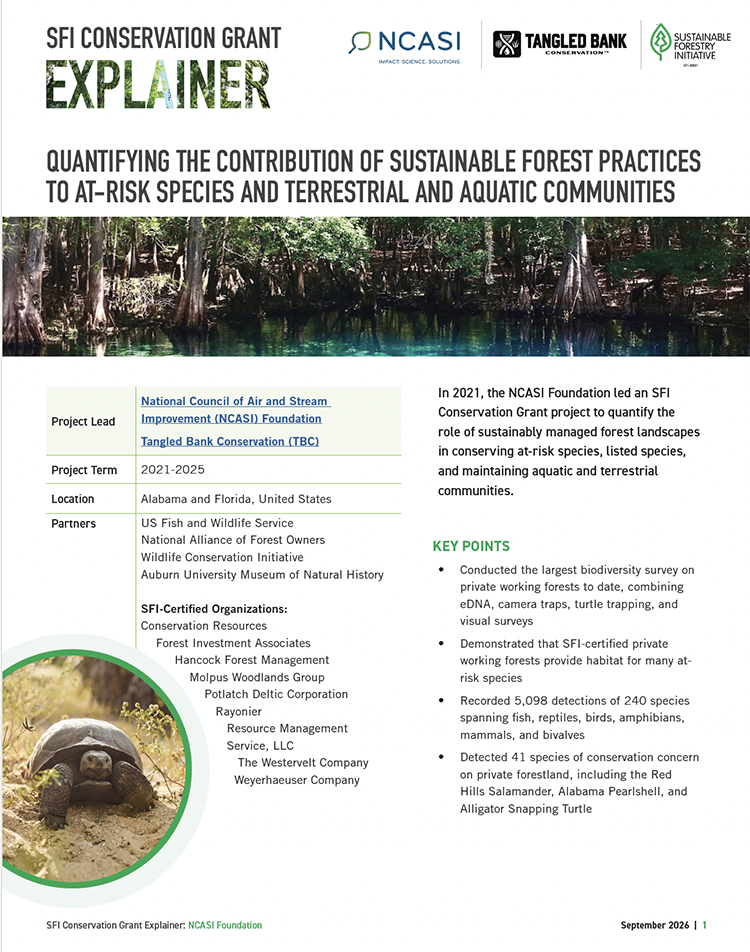
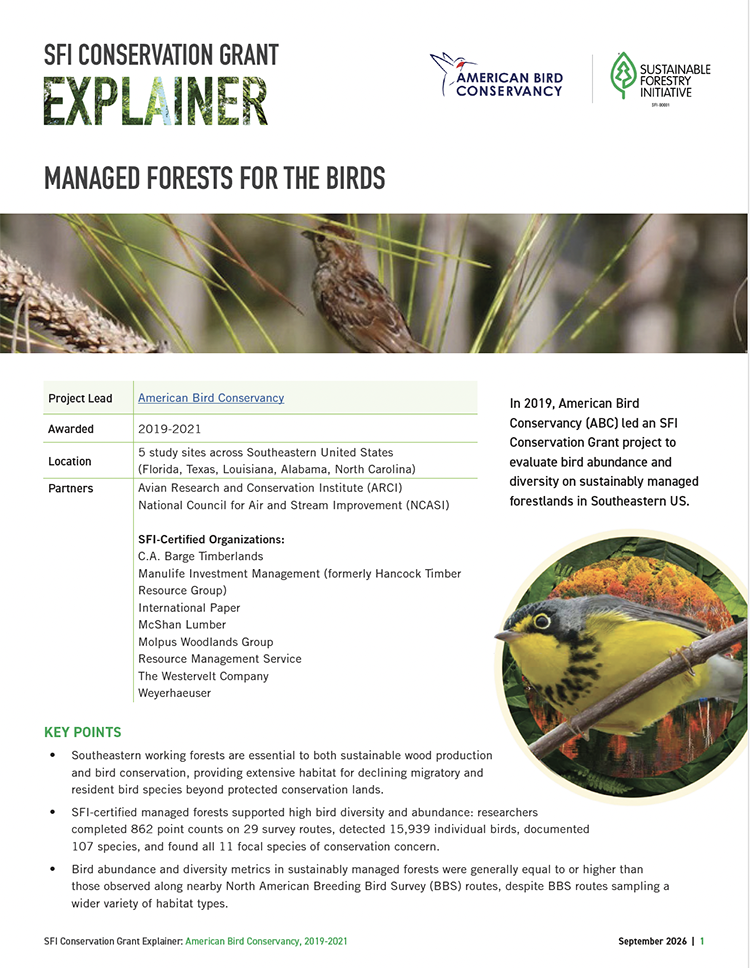
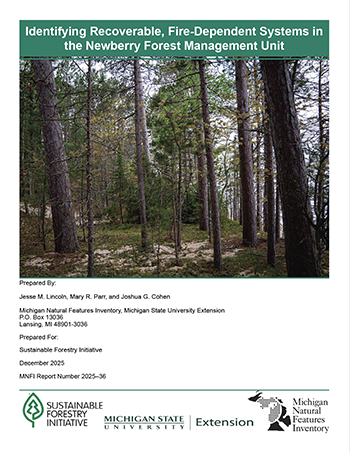
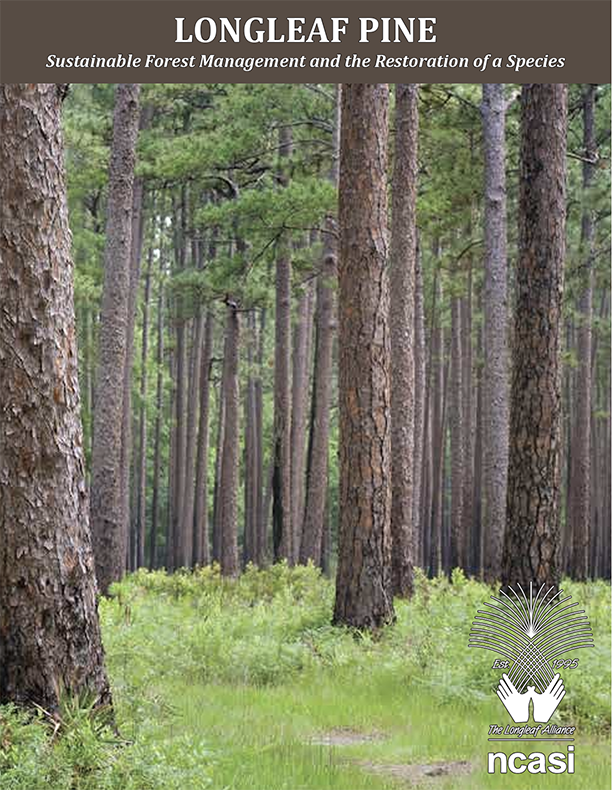

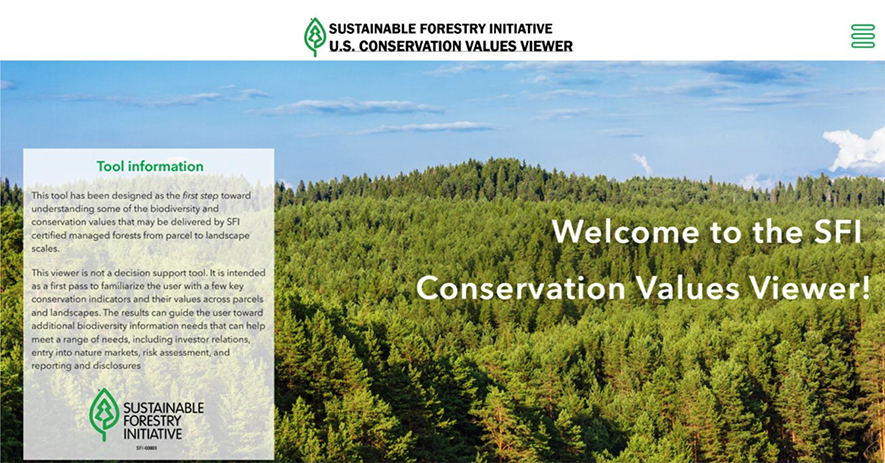
SFI Conservation Values Viewer (US)
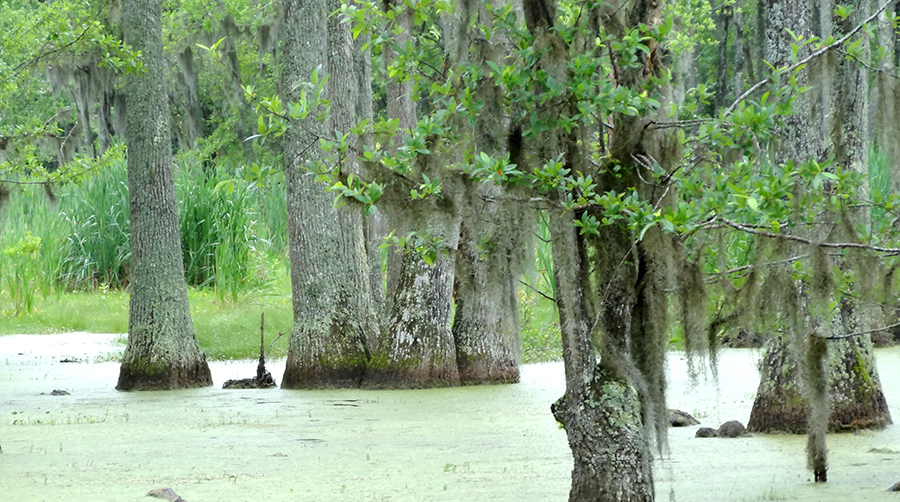
The Sustainable Forestry Initiative® (SFI) welcomes new funding support from the National Fish & Wildlife Foundation (NFWF) to launch a new pilot project aimed at improving aquatic habitat quality and connectivity across SFI-certified forestlands in coastal Mississippi.
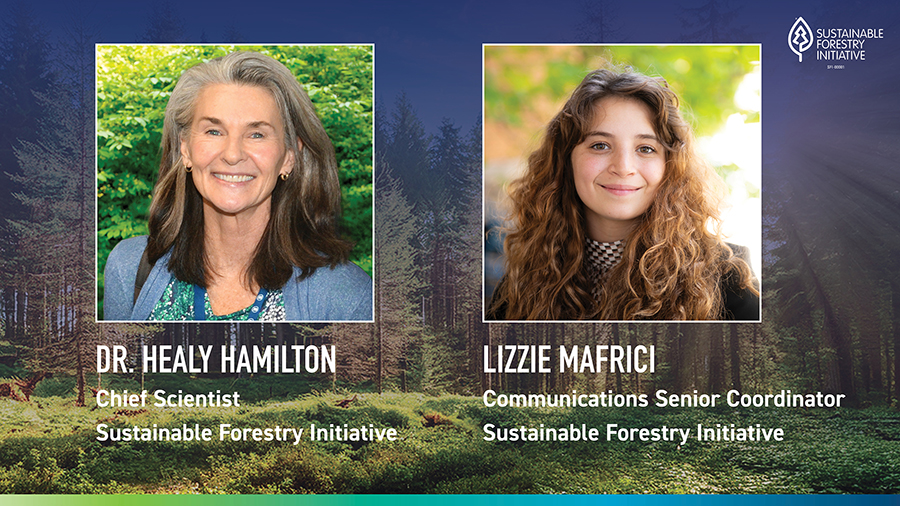
Lizzie Mafrici, Communications Senior Coordinator at SFI, sat down with Chief Scientist Dr. Healy Hamilton ahead of her trip to the 17th Conference of the Parties to the UN Convention on Biological Diversity (CBD COP17) in Yerevan, Armenia. The two discussed the importance of biodiversity, the role of forest certification, and how sustainability frameworks align with certification systems and the forestry sector.
Pollinators play a critical role in ecosystems around the world. Pollination, or the transfer of pollen that enables most flowering plants to reproduce, is essential for the majority of the fruits and vegetables we depend on for our agricultural systems. But pollination is just as critical for the health of our forest ecosystems. This makes the well-documented downward trend of global insect populations very concerning, including in northern regions, where climate change may be exacerbating the drivers of pollinator decline.

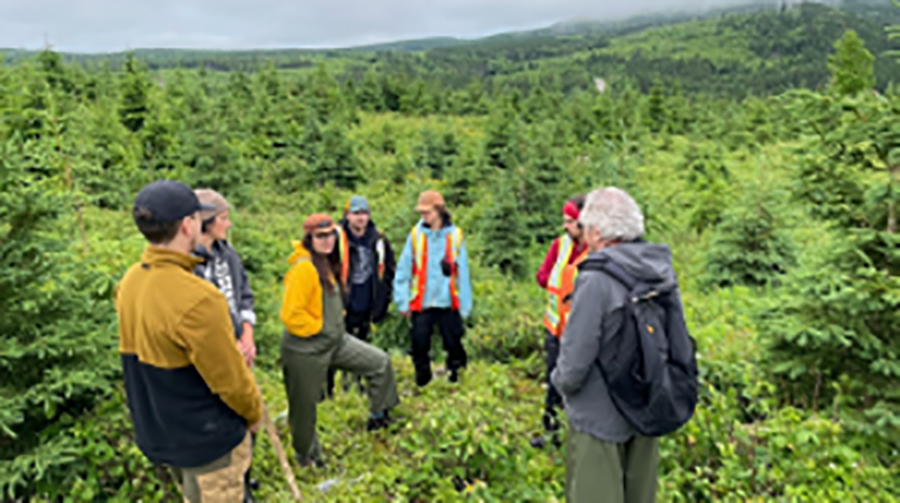
On the traditional Mi’kmaq territory of the Qalipu First Nation, near Corner Brook, Newfoundland, a new collaborative research project will study pollinator and plant diversity through a 35-year view of managed boreal forest.

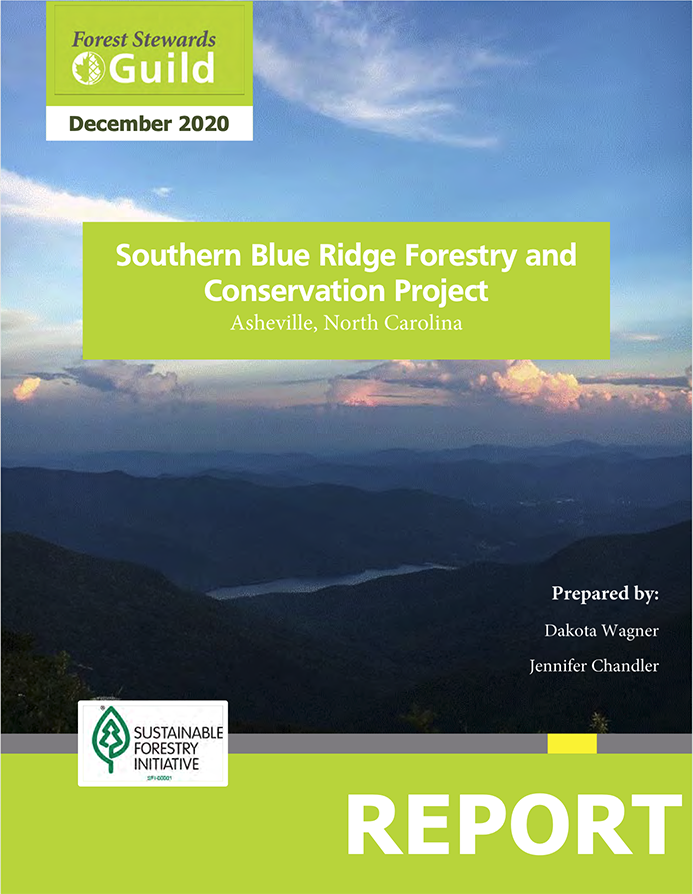
SFI and the Forest Stewards Guild have brought together partners who live and work in the Southern Blue Ridge, including Evergreen Packaging (a business unit of Pactiv Evergreen), an SFI-certified company, to collaborate on forest conservation approaches.

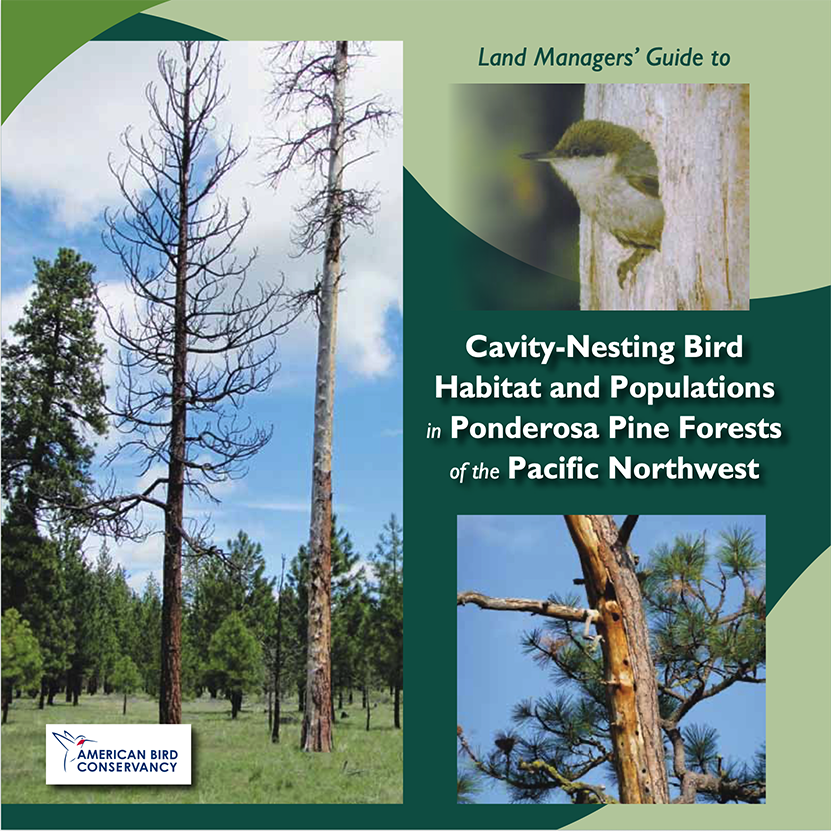
Wherever you find the American Bird Conservancy’s (ABC) Emily Jo Williams, Westervelt’s Jonathan Lowery, and the National Council for Air and Stream Improvement Inc.’s (NCASI) Darren Miller together, you can be sure there will be plenty of laughs and no shortage of conservation inspiration.
One of the best parts of my work at the Sustainable Forestry Initiative is the opportunity I have to collaborate with researchers, academics and other conservation leaders throughout Canada and the United States.
2026
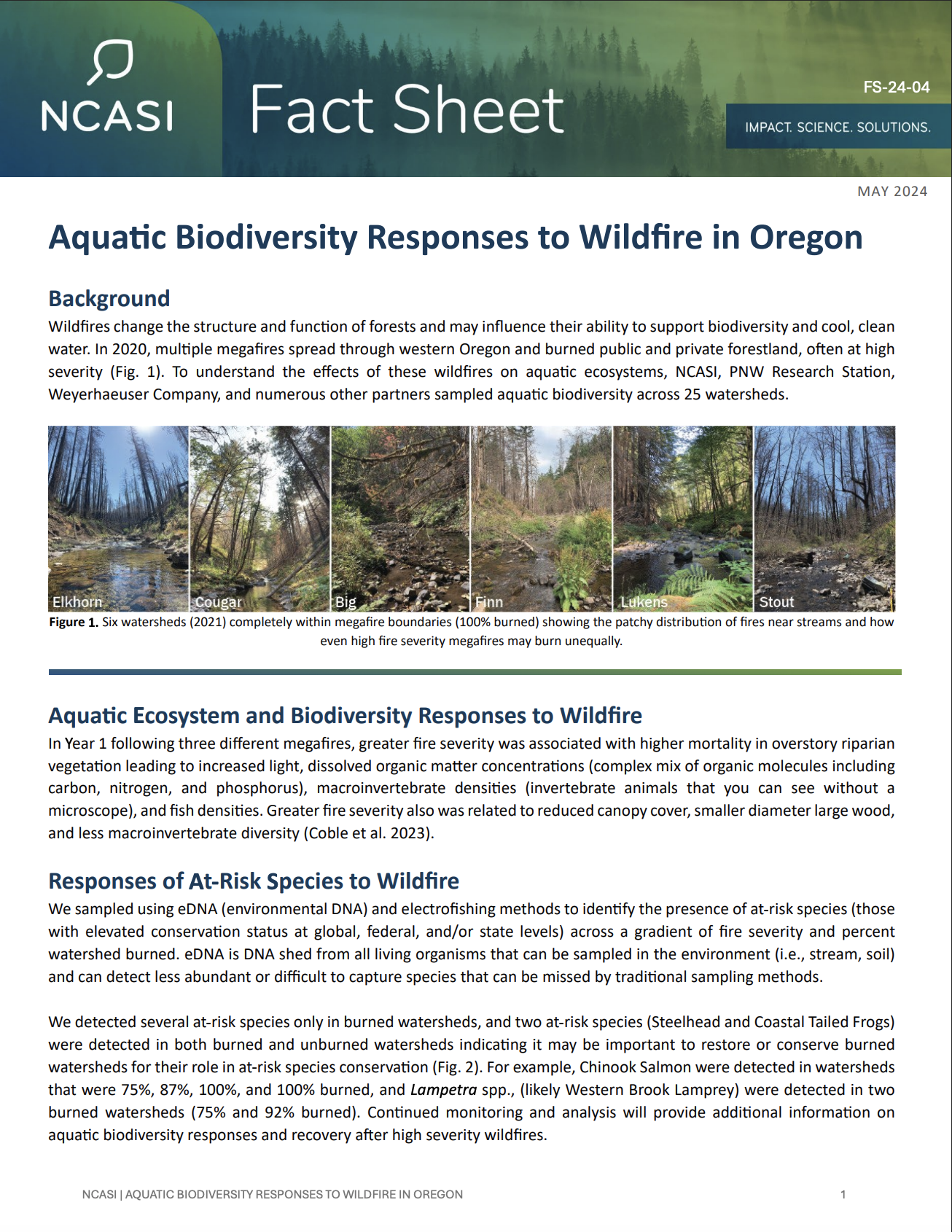
- Hauck, L. L., Penaluna, B. E., Coble, A. A., Swartz, A. G., & Homyack, J. A. (2026). Whispers of wildfire: Using eDNA metabarcoding to decipher effects of megafires on watershed biodiversity. Fire Ecology, 22(1), 80. https://doi.org/10.1186/s42408-026-00521-4
2023
- Karnatz, C., Kadam, P., Hamilton, H., Smyth, R., Bawa, R., & Dwivedi, P. (2023). Impacts of Sustainable Forestry Initiative fiber sourcing on the forestry best management practices and biodiversity conservation in the SE United States. Trees, Forests and People, 11, 100349. View article
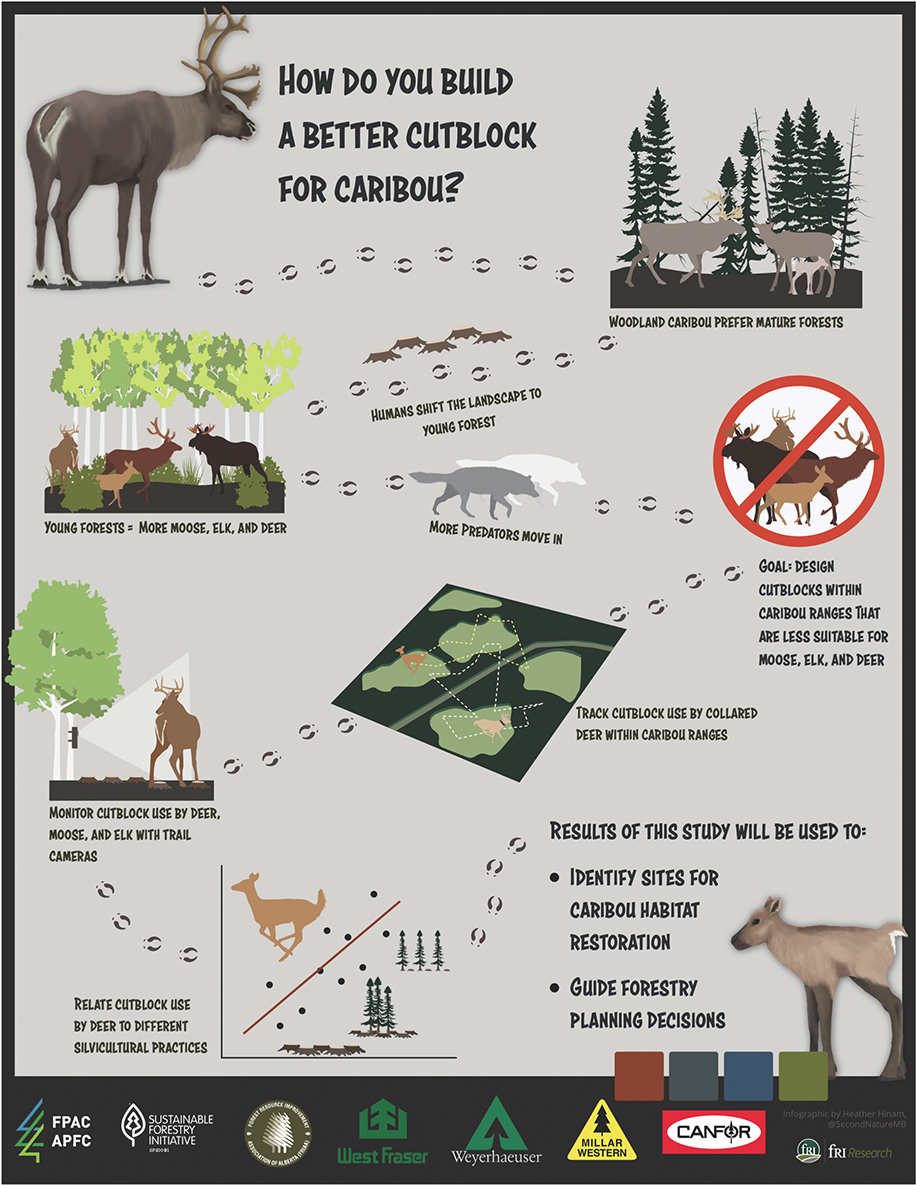
- McKay, T., & Finnegan, L. (2023). Ungulate occurrence in forest harvest blocks is influenced by forage availability, surrounding habitat and silviculture practices. Ecological Solutions and Evidence, 4(2), e12226. https://doi.org/10.1002/2688-8319.12226
- Mozelewski, T. G., & Scheller, R. M. (2023). Protected area network contributions to landscape connectivity under global change. Research Square. View record
2022
- McKay, T. L., & Finnegan, L. A. (2022). Predator–prey co-occurrence in harvest blocks: Implications for caribou and forestry. Conservation Science and Practice, 4(12), e12847. https://doi.org/10.1111/csp2.12847
- Scognamillo, D. G., & Sleep, D. J. H. (2022). Forest certification in the context of the functional complex network approach for forest management. Current Landscape Ecology Reports. https://doi.org/10.1007/s40823-022-00080-9
- Vitt, D. H., Finnegan, L., & House, M. (2019). Terrestrial bryophyte and lichen responses to canopy opening in pine-moss-lichen forests. Forests, 10(3), 233. View article
2020
- Denryter, K., Cook, R. C., Cook, J. G., Parker, K. L., & Gillingham, M. P. (2020). State-dependent foraging by caribou with different nutritional requirements. Journal of Mammalogy, 101(2), 544–557. View article
- Denryter, K., Cook, R. C., Cook, J. G., Parker, K. L., & Gillingham, M. P. (2020). Corrigendum to: State-dependent foraging by caribou with different nutritional requirements. Journal of Mammalogy, 101(3), 916. View corrigendum
- Westwood, A. R., Barker, N. K., Grant, S., Amos, A., Camfield, A. F., Cooper, K. L., Dénes, F. V., Jean-Gagnon, F., McBlane, L., Schmiegelow, F. K. A., Simpson, J. I., Slattery, S. M., Sleep, D. J. H., Sliwa, S., Wells, J. V., & Whitaker, D. M. (2020). Toward actionable, coproduced research on boreal birds focused on building respectful partnerships. Avian Conservation and Ecology, 15(1), 26. https://doi.org/10.5751/ACE-01589-150126,
2018
- Finnegan, L., Pigeon, K. E., Cranston, J., Hebblewhite, M., Musiani, M., Neufeld, L., Schmiegelow, F., Duval, J., & Stenhouse, G. B. (2018). Natural regeneration on seismic lines influences movement behaviour of wolves and grizzly bears. PLOS ONE, 13(4), e0195480. https://doi.org/10.1371/journal.pone.0195480
2017
- Denryter, K., Cook, R. C., Cook, J. G., & Parker, K. L. (2017). Straight from the caribou's (Rangifer tarandus) mouth: Detailed observations of tame caribou reveal new insights into summer–autumn diets. Canadian Journal of Zoology, 95, 81–94. https://doi.org/10.1139/cjz-2016-0114
2016
- MacNearney, D., Pigeon, K., Stenhouse, G., Nijland, W., Coops, N. C., & Finnegan, L. (2016). Heading for the hills? Evaluating spatial distribution of woodland caribou in response to a growing anthropogenic disturbance footprint. Ecology and Evolution, 6(18), 6484–6509. https://doi.org/10.1002/ece3.2362
- Nobert, B. R., Milligan, S., Stenhouse, G. B., & Finnegan, L. (2016). Seeking sanctuary: The neonatal calving period among central mountain woodland caribou (Rangifer tarandus caribou). Canadian Journal of Zoology. https://doi.org/10.1139/cjz-2015-0262
SFI CONSERVATION IMPACT
SFI CONSERVATION RESEARCH
CLIMATE SMART FORESTRY
BIODIVERSITY AT SFI
SFI CONSERVATION GRANTS
Comments or Questions? Contact:
or visit our staff page for team members

