By Andrew Fedora, EP, Manager, Forests and Climate
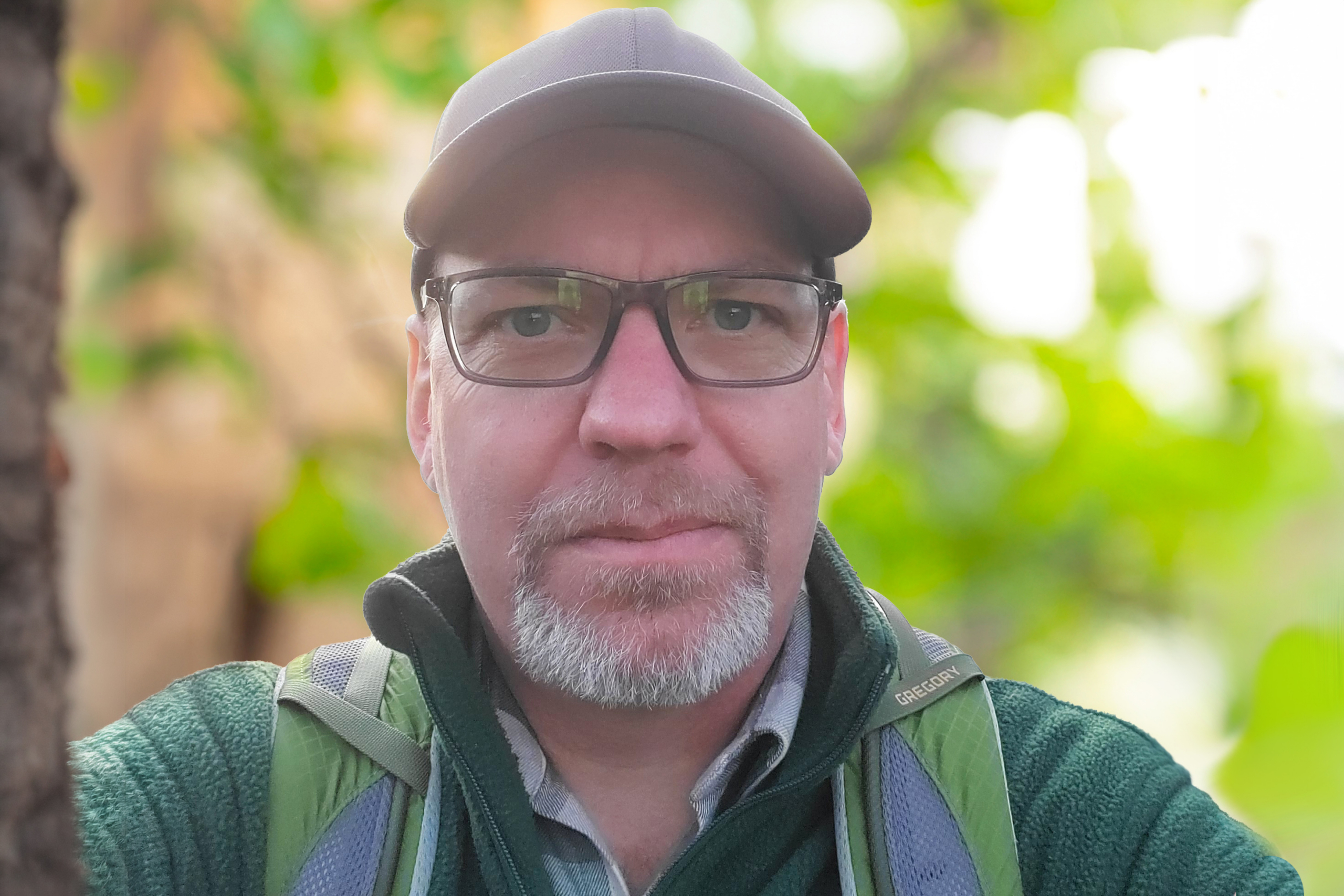 Forestry is a profession built around balancing values. My career has given me the opportunity to experience forestry from many perspectives, including forest management, certification, and education. Each has reinforced the importance of connecting science with practical solutions and bringing diverse perspectives together. That’s what drew me to my role as Manager, Forests and Climate, at the Sustainable Forestry Initiative (SFI).
I started my career in the field, where I experienced firsthand what it means to manage forests in a working landscape. Seeing these discussions unfold deepened my appreciation for the complexity of management decisions. I learned that effective forest management requires balancing ecological conditions and silvicultural goals with operational needs and community expectations.
That experience reinforced something that has stayed with me throughout: sustainable forestry is not something that happens only in policies or planning documents. It happens through thousands of decisions made every day by the people working in these forests.
Applied forestry continues to shape how I approach challenges in the sector. To implement effective nature-based solutions, we need to understand the challenges facing practitioners and ensure that science and knowledge can be applied in ways that help people day to day. Doing so can help advance climate adaptation, mitigation, and resilience in real-world forest management settings.
A commitment to sustainable forest practices
As my career progressed, I moved from implementing forestry practices to supporting organizations in evaluating and improving their sustainability efforts.
Working for Port Hawkesbury Paper LP gave me a unique perspective on how the SFI Standards can help improve forest management. The Standards provide assurance that SFI-certified organizations are meeting rigorous requirements, encouraging continual improvement and supporting conservation outcomes. In my experience, some of the most meaningful work happened even outside of the audit. I saw firsthand how third-party certification created opportunities for colleagues to look critically at existing practices, share ideas, and identify opportunities to improve.
That combination of accountability and continual improvement is what makes certification a powerful tool for sustainable forestry.
Serving as Chair of the Atlantic SFI Implementation Committee (SIC) reinforced that perspective. SICs provide a forum for SFI-certified organizations and forestry professionals to learn from one another, collaborate on shared priorities, and find solutions to challenges that extend beyond any one organization. Through my involvement with the Atlantic SIC, I gained insight into how other companies operated across Atlantic Canada. We were able to compare common challenges and learn from solutions that other organizations had developed. Helping to establish the training criteria for the Atlantic SIC’s Qualified Logging Professional program gave me a broader understanding of contractor training and helped inform improvements to our own approach at Port Hawkesbury Paper LP.
The audit cycle also created a reason to maintain regular contact with, and awareness of, what was happening across the entire woodlands system and supply chain—from machine operators and contractors, through operations supervisors and district planners, to the senior woodland management team. Preparing for audits was not simply about assembling evidence, it required understanding how practices were being implemented, where information was being generated, and where gaps or opportunities for improvement existed.
As a systems thinker, I found that particularly valuable. The SFI management system provided an integrated, organized, evidence-based and data-rich way of looking across the organization. It helped connect what was happening in the field with planning, supervision, management decisions, and continual improvement. In that sense, certification created opportunities for people who might otherwise work in different parts of the system to share information, examine practices critically, and identify ways to improve them.
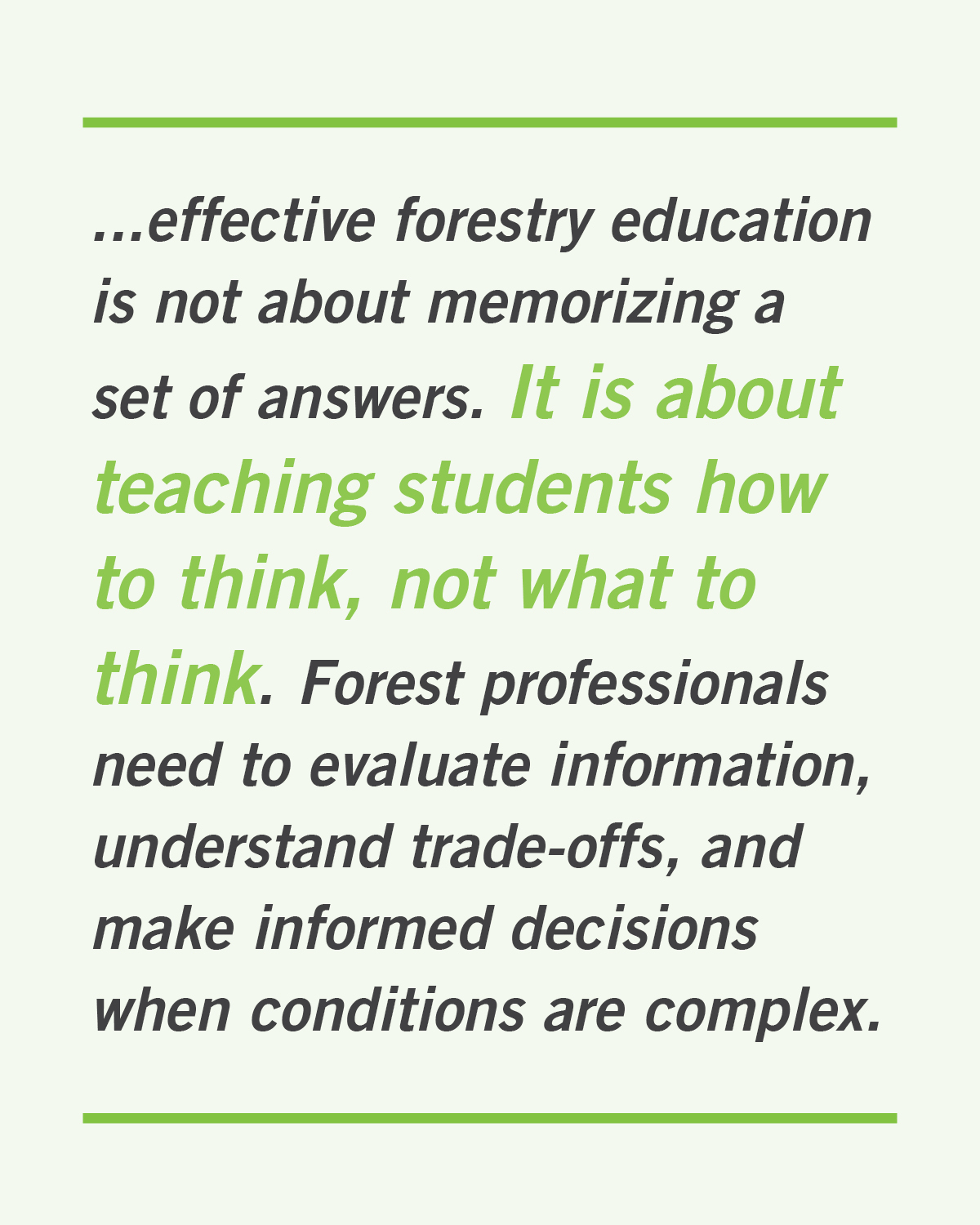
I’ve also had the opportunity to teach the next generation of forestry and natural resource professionals. At Nova Scotia Community College, I taught Ecological Forestry Operations and Planning, as well as GIS for Natural Resources and Environmental Technology students. Those experiences reinforced a career-long truth: effective forestry education is not about memorizing a set of answers. It is about teaching students how to think, not what to think. Forest professionals need to evaluate information, understand trade-offs, and make informed decisions when conditions are complex. Whether in the classroom or working with colleagues through the Atlantic SIC, I’ve seen how much we can learn when we create space to share knowledge and consider different perspectives.
Connecting science, diverse perspectives, and Indigenous Knowledge
 SFI’s Climate Smart Forestry Initiative is one example of this collaborative approach. By bringing research, information, and practical experience together, the Initiative helps connect people and practical knowledge to support landowners implementing climate smart forestry practices. It creates opportunities for practitioners, researchers, and partners to learn from one another and apply that knowledge in pragmatic ways.
Increasing wildfire risk, changing disturbance patterns, and shifting ecological conditions require forest professionals to think differently about resilience and adaptation.
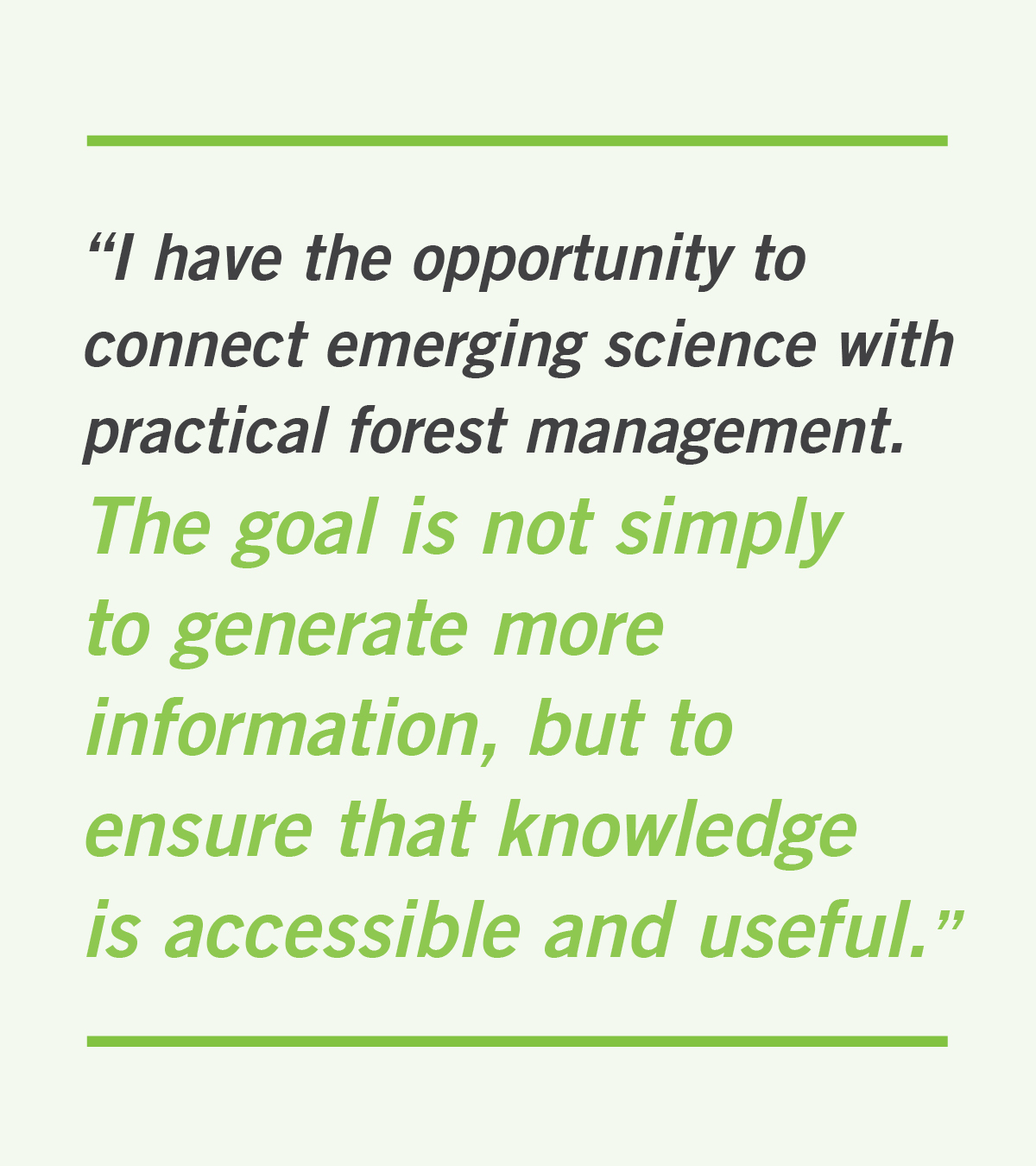
That is what excites me most about my role. I have the opportunity to connect emerging science with practical forest management. The goal is not simply to generate more information, but to ensure that knowledge is accessible and useful.
Throughout my career, I have found that progress happens when diverse perspectives are considered. By working together, we can develop approaches that support climate resilience, biodiversity, and sustainable forest management.
The personal connection
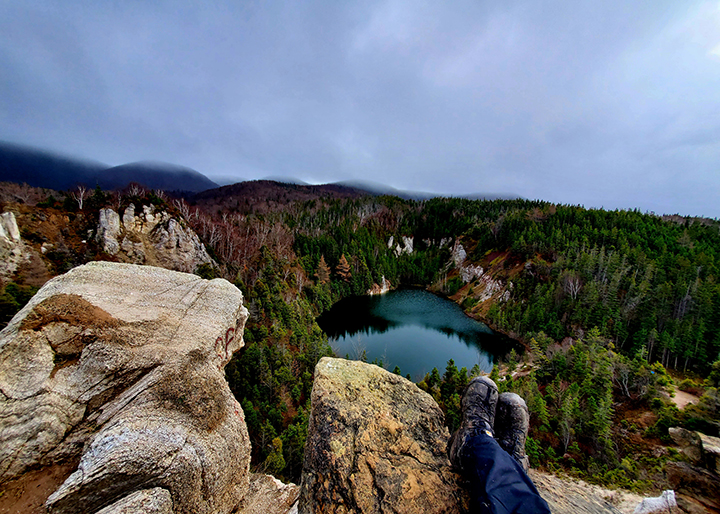
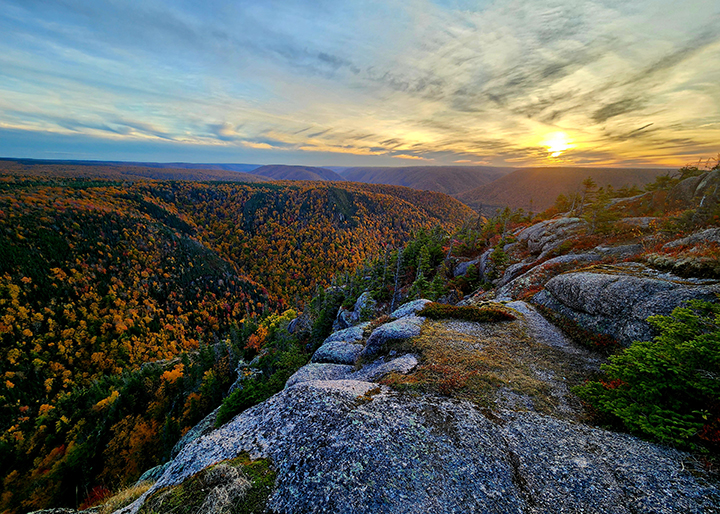
My connection to forests is just as personal as it is professional. My wife and I live on a small property in rural Cape Breton, Nova Scotia, surrounded by forestland and working landscapes. Much of my time outside of work is spent outdoors, whether maintaining the property, exploring the landscape, or simply observing how my surroundings change through the seasons.
Living in a forested landscape is a constant reminder that forests are not just resources to be managed. They are places where people live, connect, and create memories. Even after many years working in forestry, there is always more to learn, and that is part of what makes this profession so rewarding.
Looking ahead, I am excited to continue supporting Climate Smart Forestry across Canada and helping organizations adapt to a changing climate. The work builds on many of the lessons that have shaped my career: the importance of practical experience, continuous learning, collaboration, and staying connected to the forests themselves.