By: Meg Hanna, Director of Urban and Community Forestry for Canada
Picture yourself in the heat of summer, under the beaming sun and sweltering air. You step into the shade of a nearby tree, or pause to rest in an urban green space, immediately feeling relief. Healthy trees and forests create conditions that help people thrive.
As the world marks International Day of Forests (March 21), we celebrate forested ecosystems as critical places that sustain life and maintain planetary health. It’s also an opportunity to recognize the forests where most people live. Today, nearly 70 percent of the global population lives in urban areas, making community forests essential spaces where the benefits of trees are felt most directly, and where they matter deeply to everyday life.
International Day of Forests: Recognizing Trees Where People Are
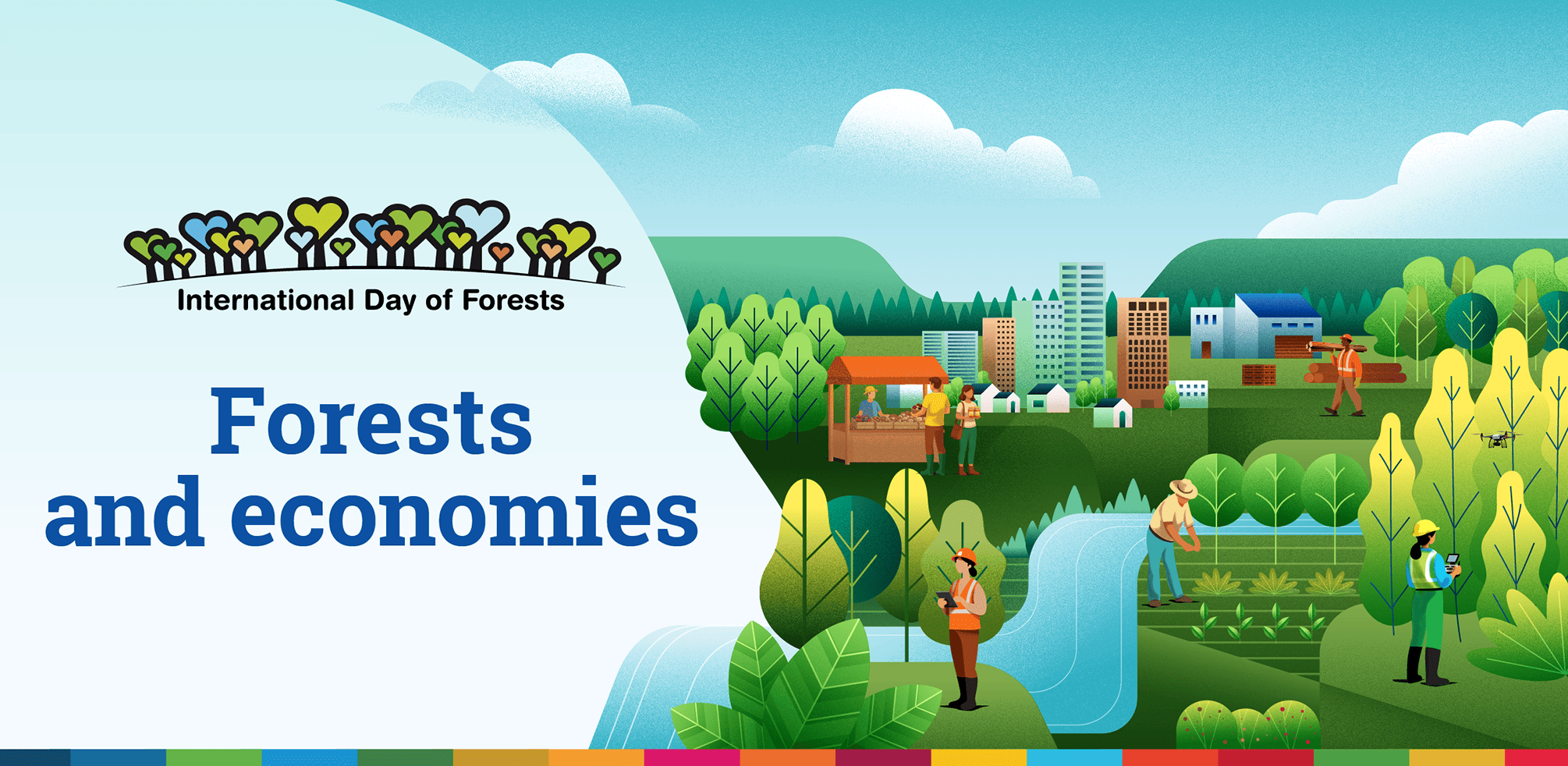 This year, the Food and Agriculture Organization of the United Nations highlights the vital role forests play in powering economies and sustaining at least 33 million jobs worldwide. This is a meaningful moment for humankind to reflect on our collective responsibility and the choices that shape the future of our forests. It also encourages us to recognize forests as working systems that nourish the well-being of people and communities.
Urban and community forests help us notice forests not as distant landscapes, but as living elements woven into our cities and daily routines. Whether we realize it or not, they shape how neighborhoods feel, how people move through space, and how communities respond to heat, stress, and environmental change.
Feeling Lifetime Connections to Trees
From early childhood, time in the forest and outdoor experiences can set future generations up for healthy habits. Although studies have found that people in rural areas are more likely to visit forests often, additional research finds that children growing up in urban areas with access to quality green spaces are likely to also be physically active, spend time outdoors, and adopt healthier behaviours.
Through Project Learning Tree (PLT), an education initiative of SFI, we encourage families and educators to explore, with little learners, the ways that forests support everyday life. As PLT celebrates 50 years, our education resources have reached nearly 150 million students, many living and learning in urban communities. These early connections help young people feel energized, curious, and connected, and they lay the foundation for long-term community health.
Looking ahead, SFI also empowers the people who will care for these forests in the future. Project Learning Tree Canada’s career pathways programs provide paid, meaningful work experiences for youth in forestry and conservation. Since 2018, more than 8,700 young people under 30 have been connected to Green Jobs, helping them build skills, purpose, and a sense of contribution.
Feeling Protected Under the Canopy of Urban Forests
 Urban and community forests refer to all trees and green spaces in and around where people live, from street trees and parks to schoolyards, backyards, and nearby woodlands. These forests help mitigate extreme heat by providing shade and cooling the air through evapotranspiration. On hot days, tree-lined areas feel noticeably more comfortable, and when trees are planted and maintained thoughtfully, they can reduce surface temperatures on buildings and infrastructure.
Beyond cooling, trees also help protect people from the sun’s ultraviolet radiation. When integrated into urban design, large-canopy trees can reduce UV exposure in public spaces, supporting safer outdoor activity alongside personal sun protection.
Trees also nurture mental well-being in a meaningful way. Research consistently shows that time spent around urban trees supports improved attention, emotional regulation, and reduced stress. New research is uncovering why time in nature is restorative for the brain. Health professionals are increasingly recognizing this connection through initiatives like PaRx (Park Prescriptions), which encourages time in nature as part of preventive health care. Practices such as forest bathing and guided forest therapy have also been linked to lower heart rate and blood pressure, reinforcing how urban forests help people feel calmer, more present, and rooted in their surroundings.
When green spaces are planned and cared for with accessibility and safety in mind, they become hubs for social connection. Playgrounds, community gardens, trails, and outdoor gathering spaces — often part of urban and community forests — foster social cohesion and help people feel part of something larger than themselves.
Feeling Supported to Thrive
At SFI, we envision a world that values and benefits from sustainably managed forests. Through rigorous standards and independent third-party certification, SFI provides frameworks that help forests deliver tangible benefits for both people and the planet.
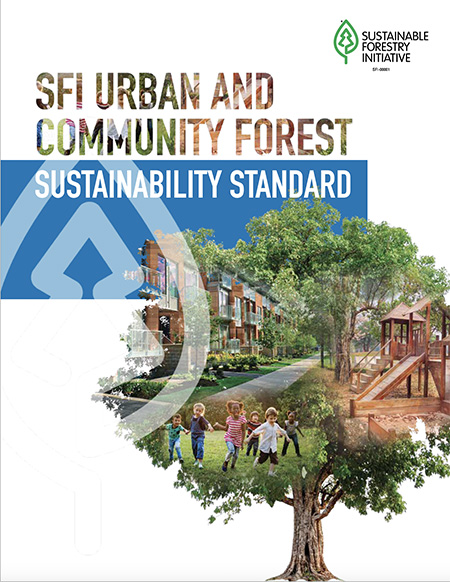 Urban and community forests are central to this vision. The SFI Urban and Community Forest Sustainability Standard, recognizes the essential role urban forests play in community health, biodiversity, climate resilience, and workforce development. By meeting the requirements of our Standard, organizations have measures in place to promote public engagement, integrate Indigenous People’s perspectives, and prioritize communication, ensuring that interested parties feel seen and heard. When forests are responsibly managed and adequately resourced, the benefits of these ecosystems are felt by all.
Since 1995, SFI-certified organizations have invested nearly 2.2 billion dollars in forest research through unique research requirements in our Standards. This funding enables applied science that informs science-based management practices and reinforces confidence in sustainable forestry. Urban forests are an important part of this commitment, with continued investment in climate-informed solutions that strengthen community resilience.
Where People See and Feel the Difference
SFI our commitment to sustainability through forest-focused collaboration by recognizing how forests are critical to our collective future and ensuring their responsible management through standards. We empower people across a lifetime of learning to discover forests, make informed choices, contribute to research, and grow into green careers.
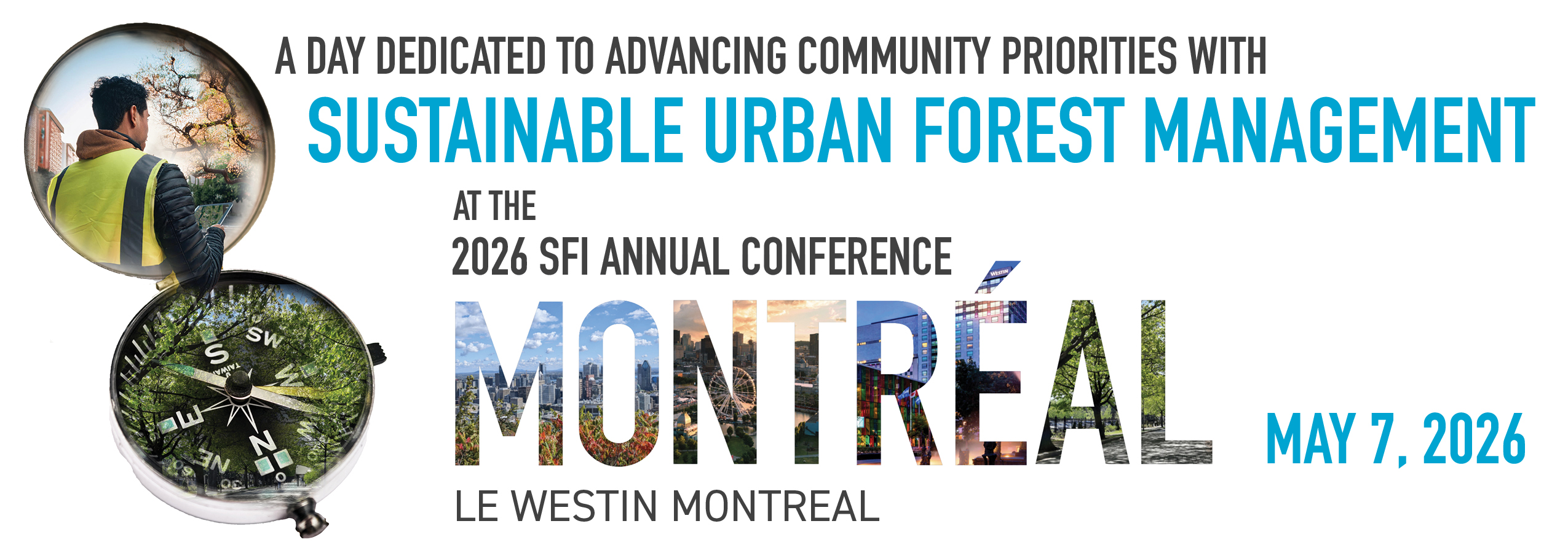
On May 7th, we invite you to join us for a day dedicated to Advancing Community Priorities with Sustainable Urban Forest Management as part of the 2026 SFI Annual Conference in Montréal, Québec. Together, we will explore how frameworks, tools, and partnerships can strengthen urban forests in the places where people live, work, and play. From there, we can chart a path to help more communities across North America feel cooler, safer, and more connected.
Learn more and register at https://forests.org/urban-forestry-day/
March 21, 2026, International Day of Forests